How Music Is Shaping the Politics of a New Generation
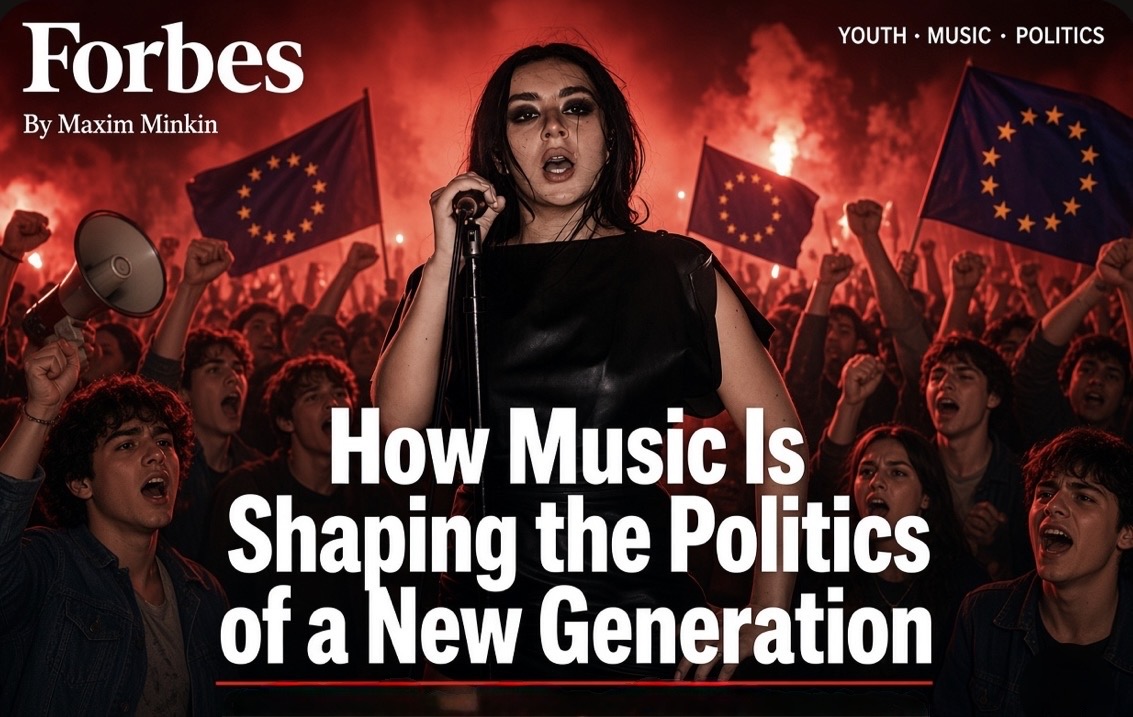
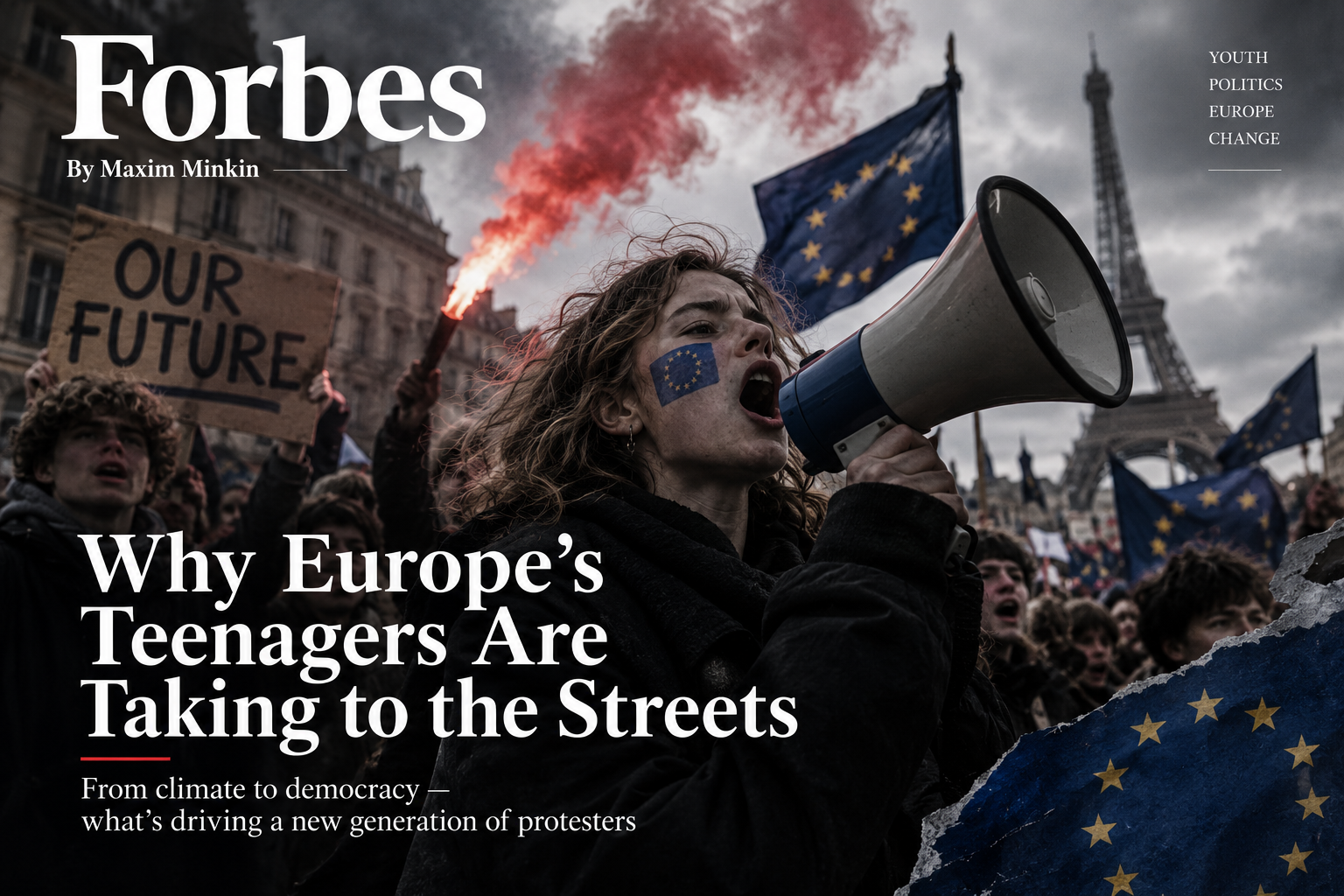
Inside a packed concert venue in Lyon, 18-year-old Inès is singing along with hundreds of other young people. But what fills the room sounds less like an ordinary concert and more like a collective declaration. The music is far removed from the familiar protest songs of previous generations. Instead of acoustic guitars and folk-inspired melodies, the audience is surrounded by distorted electronic beats, heavy basslines and hyperpop sounds. The lyrics are equally uncompromising, addressing corporate power, social inequality and the feeling of being abandoned by institutions.
"Music has become more than a way to express frustration," Inès explains, her voice nearly drowned out by the speakers. "It helps people recognize that they're angry about the same things. Sometimes a song says what politicians refuse to acknowledge."
Her experience reflects a wider cultural transformation taking place across Europe. Discussions about youth political engagement often focus on social media, economic uncertainty and declining trust in traditional institutions. Yet one important influence is frequently overlooked: music. For Gen Z and the younger members of Gen Alpha, it is no longer simply entertainment or an escape from everyday problems. It has become a way to communicate political ideas, build connections and express collective dissatisfaction.
From London's drill scene and Parisian rap culture to Berlin's underground electronic music community, different musical movements are creating spaces where cultural identity and political awareness increasingly overlap.
Beyond Protest Songs: When Playlists Become Political Statements
For earlier generations, political music was often associated with recognizable protest anthems and performers who openly challenged governments or social injustice. Today's musical landscape looks very different. It is diverse, fragmented and shaped by constantly changing online communities.
The transformation is not only about musical styles. It is also about how people discover, share and interpret music. Streaming platforms and short-form video services have made it possible for an underground track to reach an international audience almost overnight. A song that begins within a small online community can quickly become associated with demonstrations, social campaigns or a particular political movement.
In this environment, playlists can communicate something more significant than personal taste. Their selection of artists, lyrics and themes can reflect shared concerns and attitudes.
"We don't necessarily need someone to tell us what to think. Sometimes we just need a song that captures what we're already feeling," says Liam, a 19-year-old independent playlist curator from Dublin. He believes music can create connections between young people who have never met. A teenager listening to French rap during a housing protest in Ireland may not understand every lyric, but the emotions behind the performance can still feel familiar.
This ability to cross linguistic and cultural boundaries gives contemporary music a distinctive political influence. It allows young listeners to recognize common experiences without necessarily sharing the same background or political vocabulary.
Pop Stars and the Changing Face of Social Commentary
Political expression is no longer limited to independent artists or underground music scenes. Increasingly, mainstream performers are using their public platforms to address questions of identity, inequality and social responsibility.
The influence of major pop artists comes partly from their enormous audiences. Their songs, performances and public statements can introduce political conversations to listeners who might otherwise have little interest in traditional forms of activism.
Olivia Rodrigo, for example, represents a generation of pop performers whose cultural influence extends beyond music itself. Her approach to songwriting often connects personal experiences with broader questions about gender expectations, social pressure and individual freedom. By combining emotionally direct lyrics with accessible pop-rock production, she demonstrates how mainstream music can encourage listeners to think about issues that extend beyond their private lives.
Charli XCX offers another perspective. Her experimental approach to electronic pop, particularly through the aesthetics associated with hyperpop and club culture, reflects the contradictions of growing up in an increasingly digital world. Themes of exhaustion, online identity, social expectations and uncertainty frequently appear in contemporary youth culture. Her music illustrates how these feelings can become part of a shared cultural experience rather than remaining isolated personal struggles.
Neither approach represents traditional political campaigning. Instead, these artists demonstrate how popular music can influence the conversations, attitudes and cultural references through which younger audiences understand the world around them.
How Algorithms Are Changing the Way Political Ideas Spread
The relationship between music and political engagement has become even more complicated with the growth of recommendation algorithms.
Platforms such as TikTok, YouTube and Spotify influence which songs become popular and how audiences encounter them. A track addressing unemployment, discrimination or rising living costs may initially attract a relatively small audience. Once users begin incorporating it into videos about demonstrations or social issues, however, its reach can expand dramatically.
The process creates a connection between music and political discussion that is difficult to reproduce through traditional campaigning. Instead of receiving a message from an established organization, young people encounter ideas through content they already enjoy and share.
Music also provides a common cultural reference point. People attending the same demonstration may have discovered its soundtrack through completely different online communities, yet recognize the same lyrics, rhythms or artists. These shared references can strengthen a sense of belonging and make collective participation feel more personal.
However, algorithms do not simply connect people with similar interests. They also influence which issues receive attention and which perspectives remain less visible. A song becoming popular does not automatically translate into meaningful political participation. Nevertheless, the speed at which music can bring an issue into public conversation makes digital platforms an important part of modern youth culture.
For political institutions, this presents a challenge. Traditional forms of communication often struggle to compete with content that feels spontaneous, emotionally engaging and culturally relevant. Young audiences are not necessarily rejecting political discussion; they may simply be finding it in places that established institutions have yet to understand.
The Power of Turning Up the Volume
Back in Lyon, the music continues to shake the venue. Red lights move across the crowd, hundreds of voices rise above the bass, and the atmosphere begins to resemble something larger than a conventional live performance. For a moment, the distinction between a concert, a cultural gathering and a political expression becomes difficult to define.
It is tempting to describe younger generations as politically indifferent because they do not always participate through traditional channels. But this interpretation overlooks the ways in which political attitudes are now expressed. Music, digital communities and shared cultural experiences have created alternative spaces for discussing problems that young people believe deserve attention.
Their preferred language is not necessarily the language of political speeches, party manifestos or institutional debates. It is often emotional, experimental and shaped by the realities of everyday life.
Music cannot replace political organizations, public debate or concrete action. Nor does every popular song carry a political message. Yet it can make people feel heard, introduce unfamiliar perspectives and bring individuals together around concerns they might otherwise struggle to express.
For a generation searching for ways to make its voice heard, music offers something traditional political communication often lacks: an immediate sense of connection. And sometimes, before a movement finds the words to explain what it wants, it finds the rhythm that brings people together.