The South African Decoding Data And Football Analytics For A Smarter Game
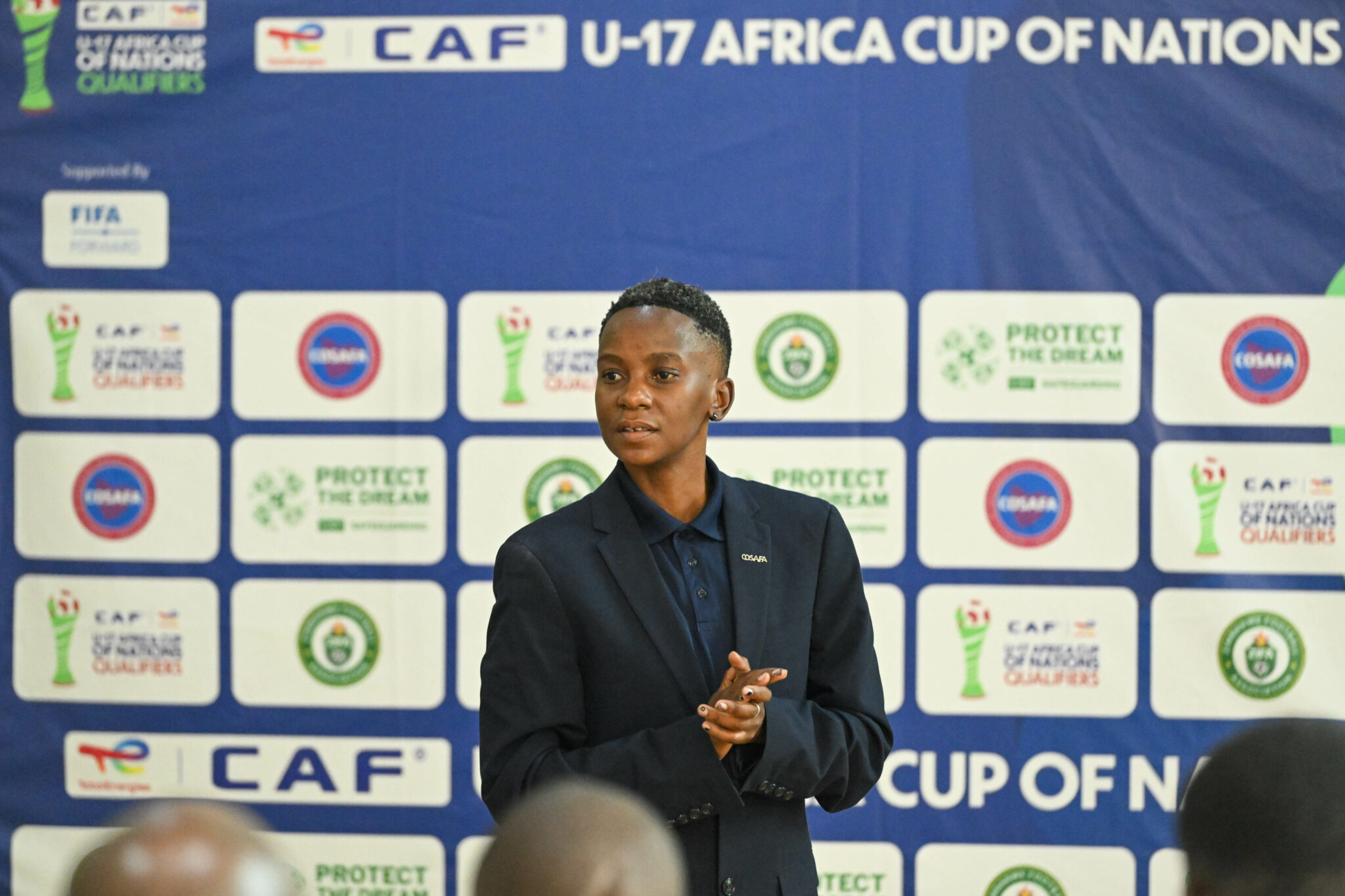
The Technical Study Group (TSG) is a key part of modern football analytics at tournaments, and in the southern African region, there is a coach leading the way, bringing innovation and understanding to the field.
South African Leah Sweetness Masango has been part of TSGs for both CAF (Confederation of African Football) and COSAFA (Council of Southern Africa Football Associations), and she heads up the group for the latter at tournaments.
A TSG is typically made up of coaches and former players, who analyze every minute of every game at a tournament, be it the FIFA World Cup, Africa Cup of Nations or COSAFA Cup, with the aim of identifying trends in the games.
How are coaches typically setting up their teams, what tactics are they playing and how are players performing individually are just some aspects. This information is then collated and typically fed back to the coaches to help them improve and understand how modern football continues to evolve.
Masango says that while statistics are vital to understand trends, what TSGs see and assess with their own eyes is just as important.
“We track players using event data, focusing on the technical and tactical aspects of the game,” Masango tells FORBES AFRICA. “The statistics help us make decisions, but stats have no emotions, we also have to judge what we are seeing on the pitch.
“It is very important for coaches to refresh, because football is forever evolving and trends are forever changing. Coaches need to be updated on new information and what is expected in the modern game.”
When Masango started in the TSG environment in 2020, it was pen and paper that was used to track data. Now everything is digital, and she says it is important that coaches like her also use modern technology as much as possible.
“We are now working digitally as coaches, which means we have had to evolve with the times,” she says. “If we have qualified and refreshed coaches, we can produce better players, and that gives us a better chance to do well on the continent and the world stage.”
The Women’s Africa Cup of Nations (WAFCON) that was scheduled to be held in March has been postponed to July 26 to August 16 this year, still in Morocco.
Coaches at that tournament, which serves as a 2027 FIFA Women’s World Cup qualifier, should be using the TSG report from the previous competition last year to prepare, according to Masango.
“More than anything, what influences the trends is the objectives of the coach and the game model they want to bring going into WAFCON,” Masango says. “For coaches who use it (TSG Report) properly as preparation, it can pay dividends because it gives them new information.
“If you do not use that opportunity, then you have to start from scratch and rely only on previous performances from players at club level and in the national team.”
Masango has been impressed with the improvement in southern African teams in recent years, but says they need to develop further.
“We can play the whole day, but if we are not scoring goals, then coaches need to work on the finishing aspect,” she says. Defensively, we are improving as a region, but we need goals at the end of the game.
“Performance is everything. It may look good now, but what matters is how we perform on the bigger stage, and there is still a lot of room for improvement in both defence and attack.”


