The Entrepreneur With A Low-Cost Fix For Africa’s Plastic Problem
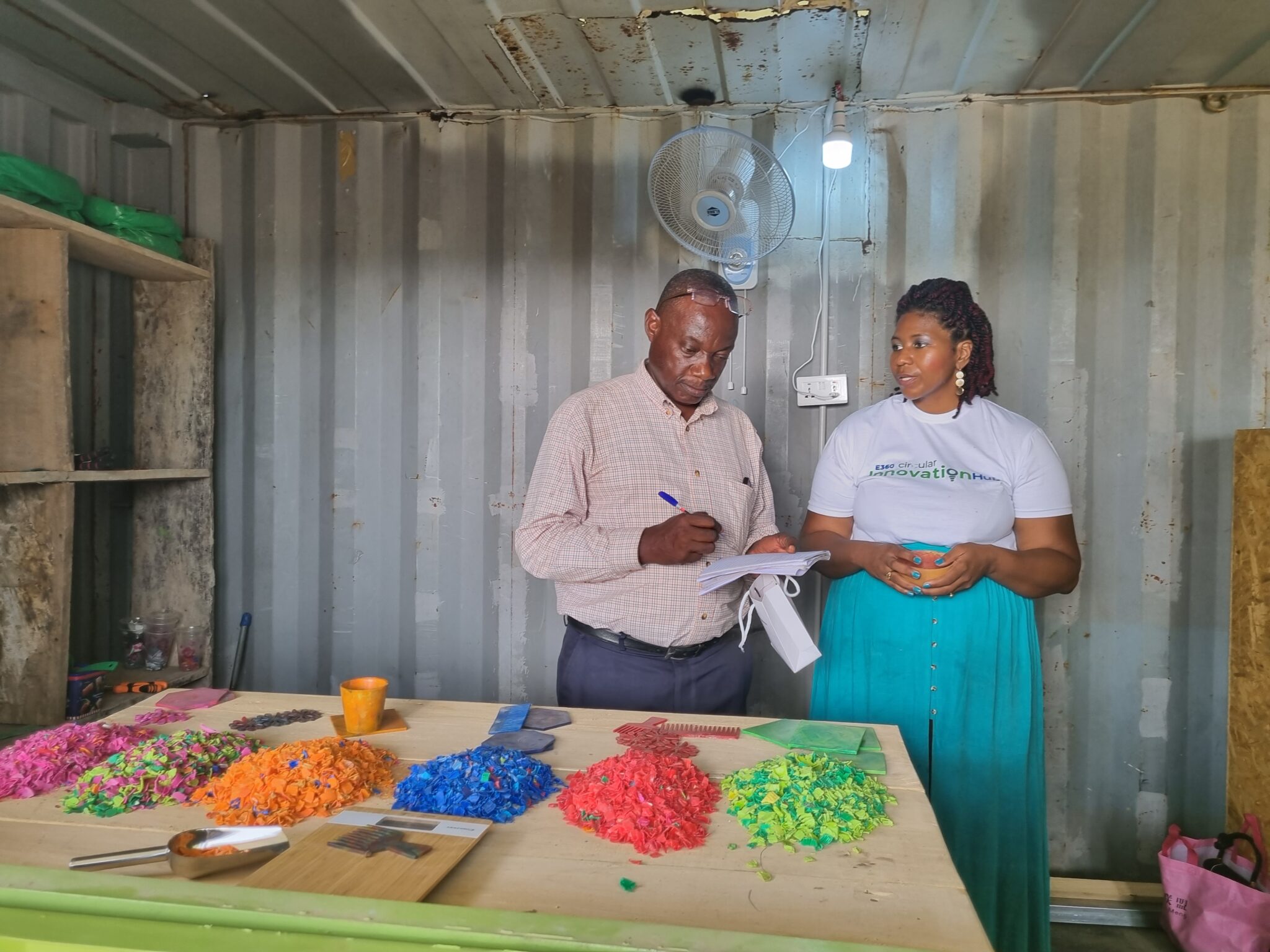
Africa is inundated with plastic; it’s in our seas, our cities, and even our forests. It’s a multifaceted crisis that requires urgent solutions.
Cordie Aziz Nash, who founded Environment360 in 2014, is a leading voice in Ghana’s fight against plastic waste, empowering local communities through social enterprise.
Since its inception, her organization has trained over 200 waste-pickers and prevented over 500 tons of plastic from entering the environment.
It has achieved this through incentivizing the bottom-up approach, creating community-driven collection hubs in Tema and Kumasi, both cities in Ghana. Upon drop-off, plastic is purchased, cleaned, sorted, and upcycled.
Located in the town of Dodowa, the NGO’s focus on youth shines through its Green Complex, which educates, empowers, and creates circular solutions for those of all ages.
“We want to redefine the way communities deal with waste by decentralizing recycling,” Nash tells FORBES AFRICA. “Our focus is to provide no-cost and low-cost tools to support the development of microenterprises in communities that have economic and environmental impact to reduce the impact of plastic litter.”
In spring 2022, the Green Complex was launched in Dodowa, a circular innovation hub that educates and creates circular solutions. According to its website, the organization has supported roughly 1,000 formal and informal entrepreneurs.
“Our model moves away from the traditional hub model and seeks to develop tailored solutions for entrepreneurs that improve their business sustainability,” Nash explains, before elaborating that they “work with academia, community, and private sector to fast-track open-source circular skills, products, and technology that immediately translate into revenue for trainees”.
Nash believes that if Africa expects to overcome its plastic crisis—only approximately 10% of plastic waste generated on the continent is appropriately managed, according to the United Nations—it must establish low-cost solutions to resonate with the continent’s low-income majority.
“Plastic remains the most affordable packaging… I think innovation, packaging redesign, and consumer choices will be the key areas that determine how Africa deals with plastic waste,” says Nash to FORBES AFRICA.


