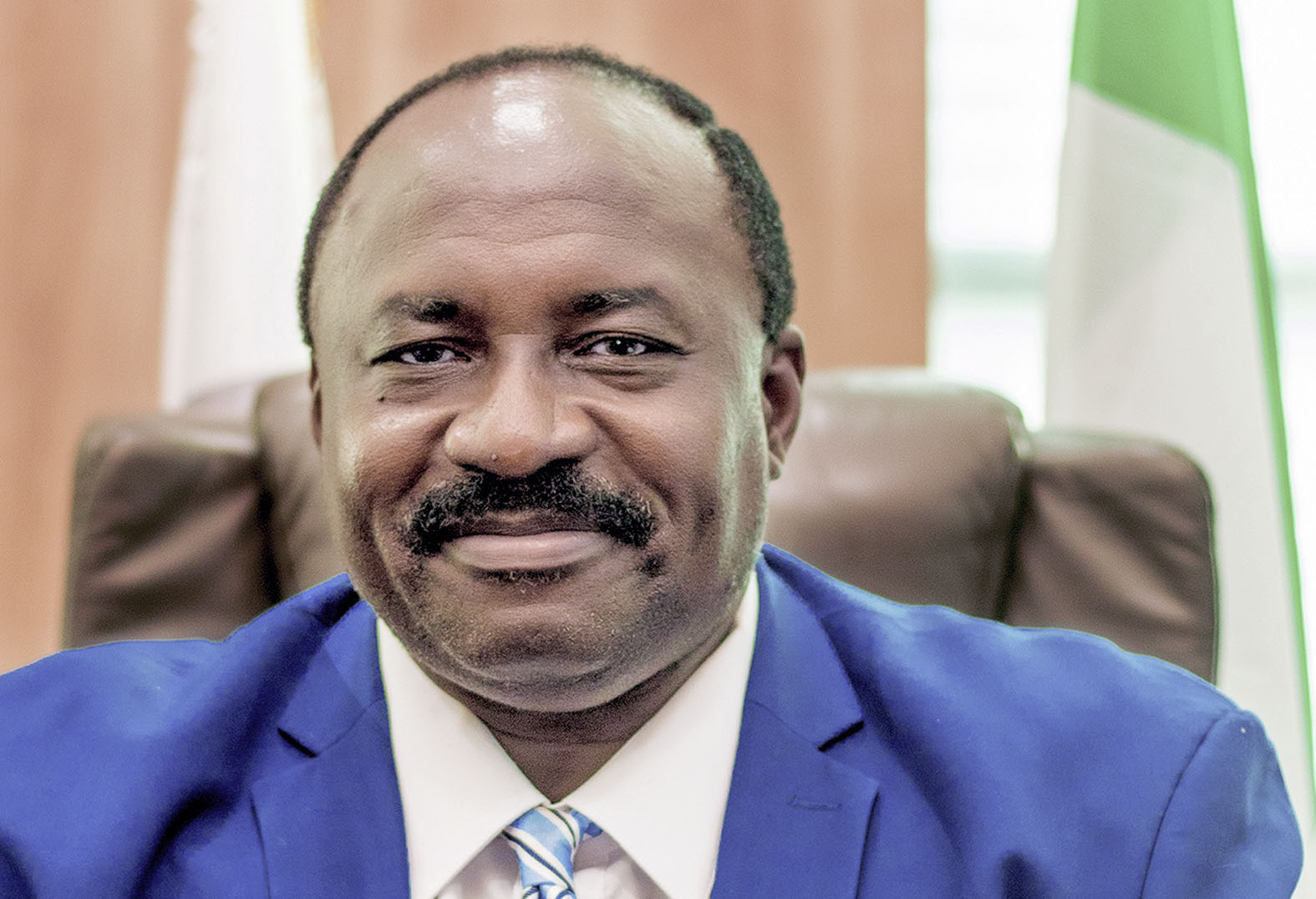
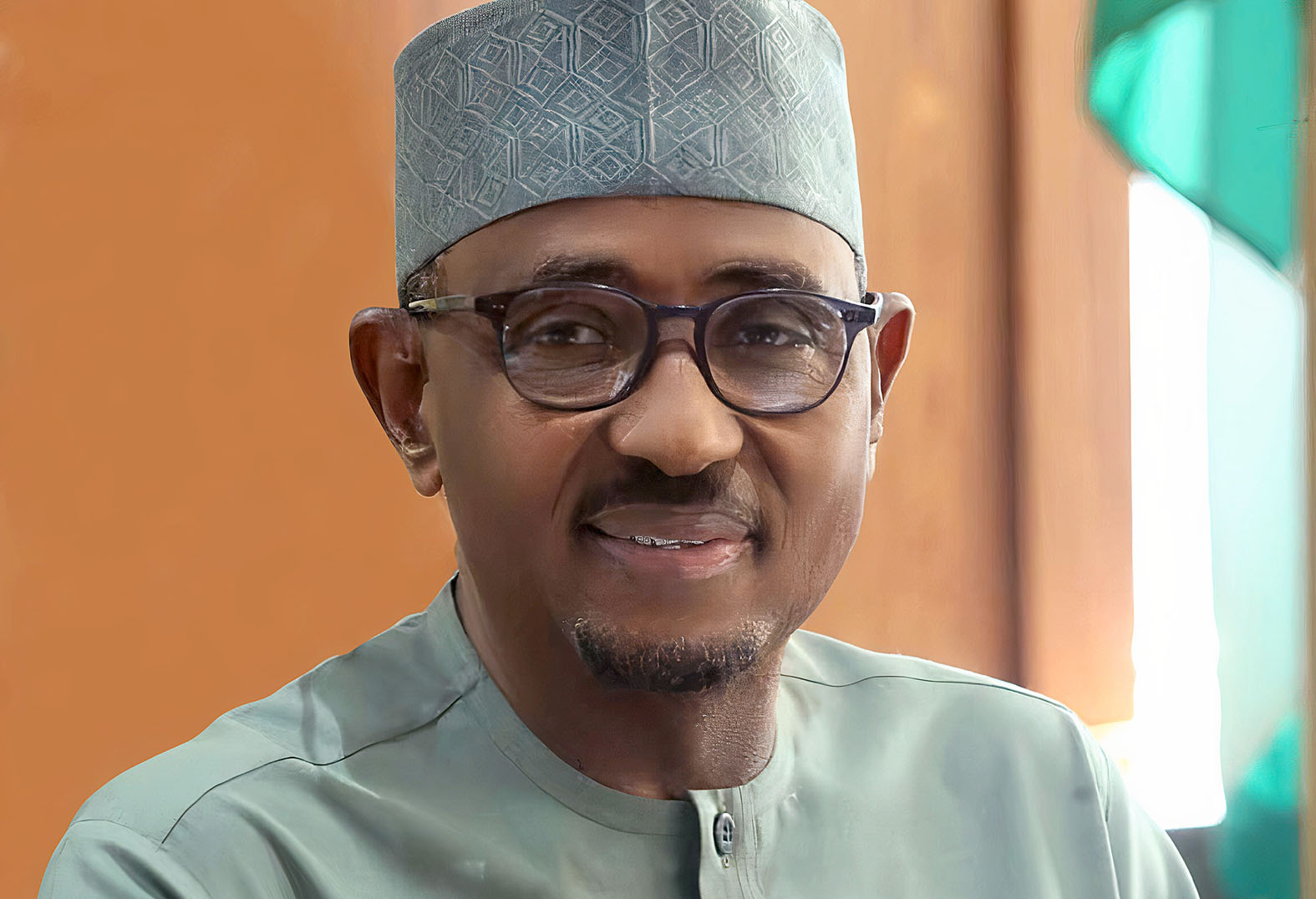
Strategies That Align Trade Flows, Local Needs, And Global Standards
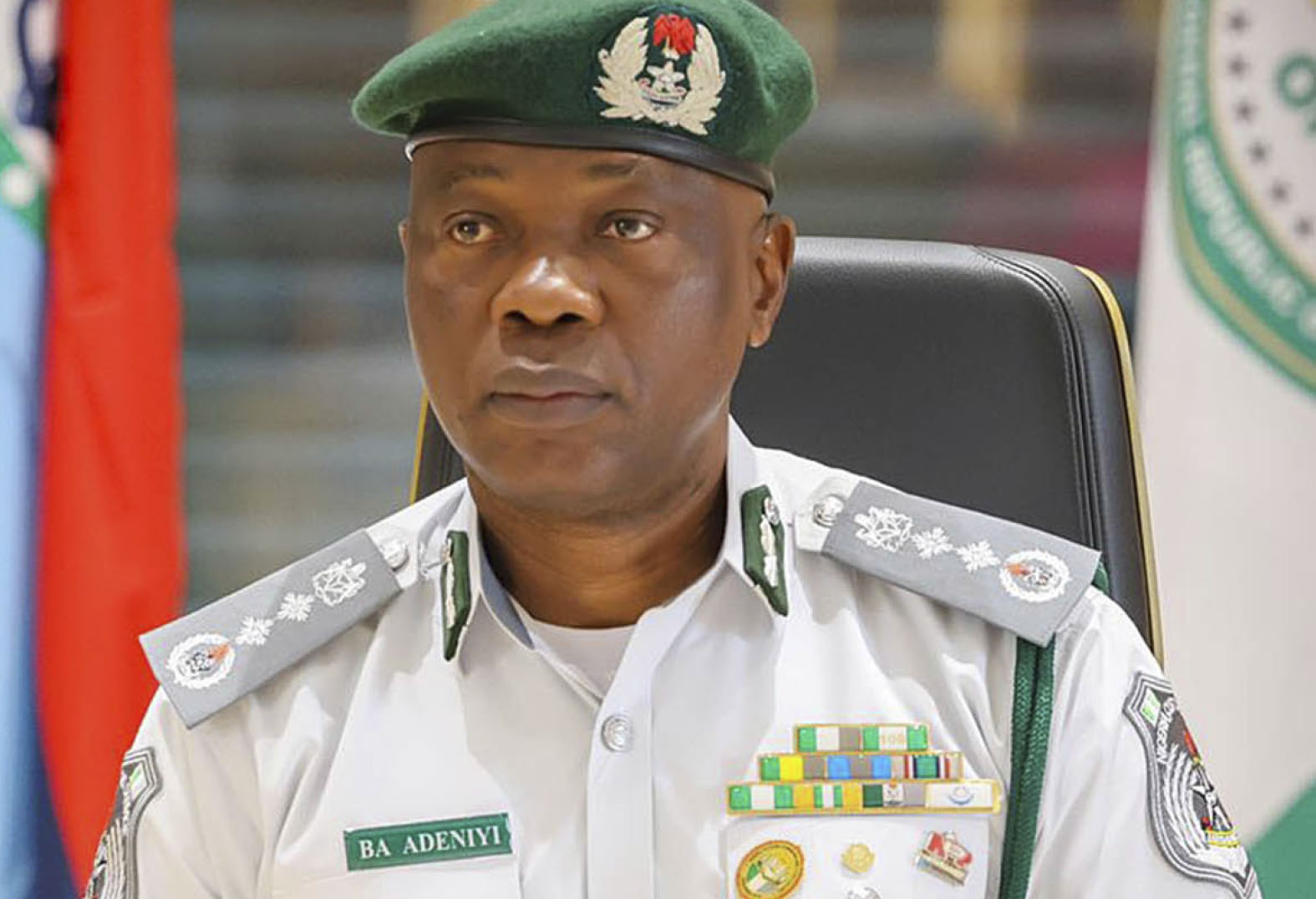
Bashir Adewale Adeniyi speaks on managing ports, borders, and trade flows with advanced AI, indigenous digital platforms, and compliance-driven programs while funding public projects, securing supply chains, streamlining cargo clearance, and supporting communities.
“Technology is a game-changer for us. The NCS must also prepare for emerging trends like digital currencies, more complex international trade rules, and the rise of services trade.” Bashir Adewale Adeniyi, Comptroller General of the Nigeria Customs Service
When Bashir Adewale Adeniyi reflects on the evolution of the Nigeria Customs Service, he speaks with clarity and conviction.
“I joined the Customs on August 1, 1990,” he says, recalling his earliest days. Since then, he has worked at every level of the organization, serving in various capacities, including ports, airports, borders, training, public relations, and strategic leadership, before he was appointed Comptroller General in 2023.
His wide-ranging experience is evident in how he approaches the agency’s mission today: modern, collaborative, and responsive.
The Nigeria Customs Service (NCS) has long been a cornerstone of the country’s economy, security, and trade environment. It collects critical revenue, secures borders, and facilitates commerce. Under Adeniyi’s leadership, the agency recorded an extraordinary ₦6.1 trillion (US$4 billion) in revenue in 2024, surpassing its target by 20% and nearly doubling the previous year’s figure.
“We achieved this through stakeholder consultations, technology-driven operations, and robust risk management,” he says. Advanced artificial intelligence models now help detect fraud and predict trends, while skilled, merit-based officers have been deployed to ensure integrity and expertise where it matters most.
Revenue collected by the NCS directly supports Nigeria’s federal, state, and local governments through the Federation Account. Adeniyi explains, “What we get as revenue funds economic activities and projects across all tiers of government. The president is intentional about ensuring a true federalism, and we optimize every naira we collect.”
Specific initiatives, such as clearing over 6,000 overtime cargo containers to free up port capacity and auditing years of import records to recover nearly ₦800 billion (US$520 million) in evaded duties, have further boosted revenue while improving trade flow.
Trade facilitation is central to Adeniyi’s vision. The NCS is playing a key role in the government’s efforts to modernize ports, automate processes, and implement a national Single Window system for streamlined clearance.
“Trade facilitation is about creating an environment that promotes ease of doing business,” he says.
The implementation of an electronic truck scheduling system has significantly reduced congestion at ports, while the Single Window platform is expected to launch in phases beginning in 2026. He emphasizes that removing physical and bureaucratic bottlenecks is essential to keeping Nigeria competitive in the global market.
Among the most impactful innovations is the Authorized Economic Operator (AEO) program, which prioritizes compliant, high-volume traders for expedited clearance.
“We identify importers who operate with integrity and handle significant volumes, and we trust them with faster processing,” Adeniyi says.
Importantly, the program includes SMEs, fostering a culture of compliance early and helping these businesses grow into major exporters. Two of the six pilot AEO companies are SMEs already exporting to regional markets, which he says demonstrates the program’s inclusive design and its potential to transform Nigeria’s export landscape.
Another key initiative is the Advance Ruling System, which allows importers to obtain binding duty estimates before shipping goods. This has reduced uncertainty and improved business planning.
Meanwhile, the indigenous B’Odogwu system, a locally developed digital platform, has replaced older legacy software for cargo processing.
“B’Odogwu is a Nigerian system for Nigerian trade,” Adeniyi says. “It is dynamic, robust, and tailored to our unique environment.”
He is particularly proud of how B’Odogwu was built by Nigerian expertise to meet local needs, with the potential to eventually serve other African markets as well.
The NCS has also introduced a digital currency declaration app, developed in-house, to help travelers comply with international standards on cash declarations. Piloted in Abuja, it allows passengers to easily declare sums above US$10,000, enhancing transparency and improving Nigeria’s global standing.
Similarly, a new container tracking system is being tested to monitor cargo movements from ports to inland terminals, strengthening security and efficiency.
“These technologies show how much progress can come from listening to our officers and stakeholders and responding with solutions that work,” Adeniyi says.
On security and enforcement, Adeniyi emphasizes the importance of partnerships. The NCS works closely with the Office of the National Security Advisor, the World Customs Organization, and customs authorities in other countries.
These collaborations have improved intelligence-sharing and capacity-building, resulting in stronger anti-smuggling efforts. In 2024 alone, the NCS secured over ten convictions related to the smuggling of arms, drugs, and illegal wildlife.
“We do more than just arrest violators,” Adeniyi says. “We ensure successful prosecutions through diligent investigations and international cooperation.”
He believes that this consistent enforcement protects Nigeria’s reputation and discourages future violations.
The agency’s preparedness for the African Continental Free Trade Area (AfCFTA) is another area of focus. The NCS has established a dedicated export command in Lagos to handle outbound trade, contributing to a 35% increase in export volumes in 2024.
Officers have received specialized training on AfCFTA rules, compliance, and duties.
“We are strengthening partnerships with chambers of commerce and export-related stakeholders to make sure Nigerian businesses can thrive under AfCFTA,” Adeniyi says.
He sees Nigeria as uniquely positioned to lead intra-African trade, given its productive capacity and growing competitiveness. He also stresses the need for African nations to adopt payment and customs systems that make trade within the continent seamless and mutually beneficial.
Looking ahead, Adeniyi outlines strategic priorities for the next three to five years. Scaling up the B’Odogwu platform nationwide, expanding the AEO program, increasing the use of non-intrusive inspection technologies, and investing in officer training are all on the agenda.
“Technology is a game-changer for us,” he says, adding that the NCS must also prepare for emerging trends like digital currencies, more complex international trade rules, and the rise of services trade.
He highlights that the service is investing in training officers for new challenges such as trade-in services, temporary imports, and even creative economy goods brought in for events and exhibitions.
The NCS’s corporate social responsibility efforts reflect its commitment to making a tangible difference in local communities. Launched last year under the name Customs Cares, the program addresses education, health, water, and skills development.
In Abuja, the agency adopted a city school, installed solar energy, provided security cameras, rebuilt the assembly hall, and distributed school bags, shoes, and exercise books.
“We operate in these communities, and we see the poverty next to the wealth generated by trade,” Adeniyi says. “Customs Cares shows that we truly care about the people we serve.”
The initiative has expanded to other regions, with a structured approach to improving lives wherever customs officers are stationed. Future plans for Customs Cares include skills training for youths, upgrading rural infrastructure near border posts, and nurturing creative talents in sports and the arts in underserved areas.
Adeniyi believes now is the right time to invest in Nigeria.
“The economy is becoming more competitive. We are rationalizing operations and paying attention to all our gateways. We have a government willing to take bold decisions and an administration that is leveraging technology and collaboration to solve problems,” he says.
Stakeholders are already seeing positive results, and he remains optimistic that reforms will continue to yield benefits for investors and citizens alike. He sees Customs as playing a vital role in shaping Nigeria’s attractiveness as a trade hub, signaling confidence to the global business community.
The Nigeria Customs Service today stands as a modern institution, blending tradition with innovation. Its impact spans revenue generation, trade facilitation, security, and community development, positioning Nigeria as a formidable player in regional and global commerce.
As Adeniyi sums it up, “We are responsible, responsive, dynamic, and ready to meet the needs of Nigeria and its partners in trade.”