Power Rising: These Are The Women To Watch In 2026
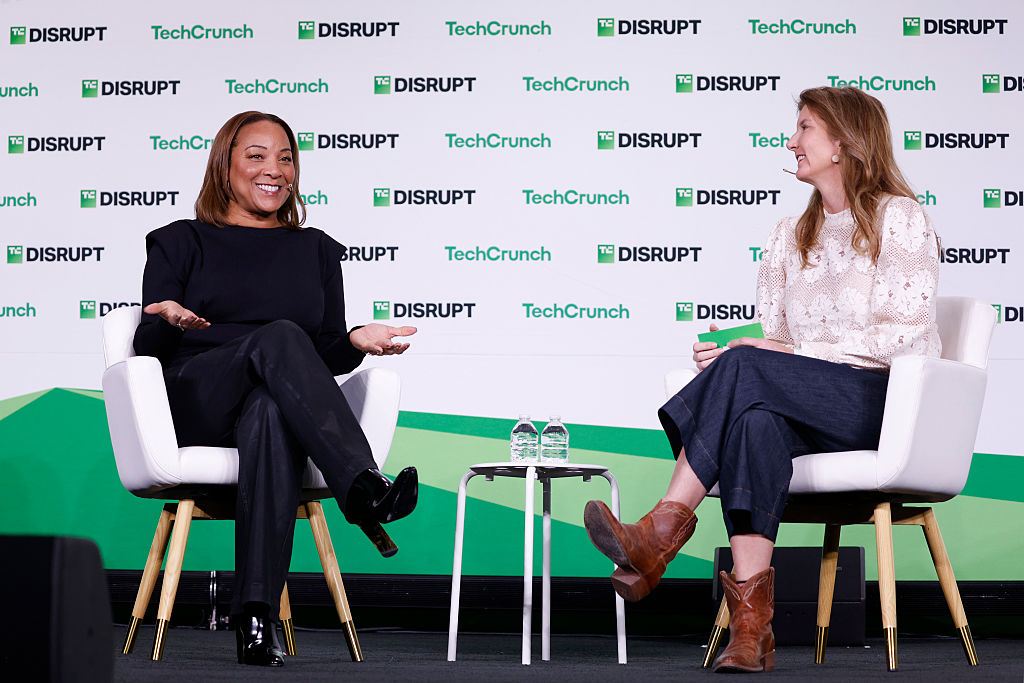
From the world’s youngest self-made female billionaire Luana Lopes-Lara to Temasek CFO Png Chin Yee and Waymo co-CEO Tekedra Mawakana, these are the founders and executives we’ll be watching in 2026.
Unlike the Forbes 30 Under 30 list or 50 Over 50 list, the ranking of the World’s 100 Most Powerful Women does not solicit nominations from the public. After all, we can see who is leading the world’s largest GDPs; which tech companies are striking the most influential deals to build out the AI ecosystem; which founders have built the most valuable companies and which self-made billionaires have agreed to pass their wealth on to worthy causes.
The trickier part about measuring power, however, is timing. Some years, elections take place well ahead of the deadline to complete our ranking—as they did in Japan this year, propelling newly-elected prime minister Sanae Takaichi to the No. 3 spot on the 2025 list. Other times, elections and CEO appointments happen at the end of one year but don’t take effect until the following—which is why, for instance, EY chief Janet Truncale didn’t make the top 100 in 2023 but did in 2024 (and again in 2025).
To that end, here are ten women who are going into 2026 with their eyes on a promotion, potential election to power or surging consumer interest in the brand they’re building:
Natascha Viljoen: South African mining executive Viljoen has been the chief operating officer for the $97 billion (market cap) Newmont Corporation since 2023. In September, the company announced she will become its next CEO starting in January, putting Viljoen at the helm of the world’s largest producer of gold, copper, zinc, silver and lead. “Growing up in a South African mining family—my father was a winding engine driver—my passion for this industry was shaped from an early age,” Viljoen said, going on to note that navigating the “complex” mining environment in 2026 and beyond will require discipline, innovation and focus.
Png Chin Yee: Chin Yee is currently the chief financial officer of Temasek, Singapore’s state-owned investment company with a $324 billion portfolio. In August, the company announced that in spring 2026, Chin Yee will add “president” to her title. The firm has credited Chin Yee with “reshaping” its financial services portfolio “from a predominantly bank-focused one to include non-bank financial services such as digital payments, wealth management, market infrastructure, and financial software.”
Aicha Evans and Tekedra Mawakana: As CEO of Zoox and co-CEO of Waymo, Evans and Mawakana (respectively) are spearheading competing robotaxi companies that will shape the future of transportation in the U.S. and beyond. Zoox launched its service to the public in Las Vegas this September, offering free rides on the Vegas Strip and plans to do the same in San Francisco by the end of the year. If the two companies are in a race for autonomous driving dominance, though, Waymo currently has the lead: its robotaxis already log some 300,000 paid rides (worth at least $6 million) every week in the five cities where Waymo operates, and some investors estimate that Waymo’s financial potential sits in the trillions.
Lucy Guo and Luana Lopes Lara: In April, Scale AI cofounder Guo became the world’s youngest self-made female billionaire, snapping up the title from music titan Taylor Swift and becoming one of just six female billionaires under the age of 40 (Guo is 31). Today she runs a different startup, Passes, and as of early December was still a billionaire but no longer the world’s youngest female billionaire. That title now sits with Lopes Lara, a onetime Bolshoi-trained ballerina who is the cofounder of online futures betting juggernaut Kalshi. The company’s valuation has quintupled in less than six months and has seen its weekly online trading volume regularly surpasses $1 billion as users flock to Kalshi to bet on the outcome of sports matches, elections, and even pop culture events.
Jeannette Jara: On December 14 Chilean citizens will vote on their next president, and on their ballot will be a choice between Communist Party candidate (and former Labor minister) Jara and three-time far-right candidate José Antonio Kast. Jara won the highest proportion of votes (27%) in a first-round election in November, and in campaigning on policies including cash transfers to workers and a minimum monthly income, is vying to become Chile’s second-ever female president.
Michelle Bachelet and Rebeca Grynspan: Bachelet, of course, became Chile’s first female president in 2006, but she is also someone to watch in 2026: In September, Bachelet announced that she will run to become the next United Nations Secretary-General. Rebeca Grynspan, Costa Rica’s vice president between 1994 and 1998 and currently the Secretary-General of the U.N. Conference on Trade and Development, has also been put forward for the job by her home country. The election will happen in the fall of 2026, and if either woman prevails, she would become the UN’s first-ever female Secretary-General.
Erika Kirk: Trust into both the spotlight and a new leadership role after the September 2025 assassination of her husband, right-wing commentator Charlie Kirk, Erika Kirk became the CEO and chair of Turning Point USA, the influential conservative nonprofit Charlie had founded in 2012. Under Charlie’s guidance, TPUSA had raised nearly $400 million since its inception. “Charlie Kirk came and converted the young men,” TPUSA COO Tyler Bower wrote on social media when Erika was appointed CEO. “Erika Kirk is coming to convert the young women.” This month, Kirk will embark on a media tour to promote her late husband’s new book, “Stop, in the Name of God: Why Honoring the Sabbath Will Transform Your Life.”


