Modernizing Nigeria’s Financial Market With Scalable Financial Technology
In step with Nigeria’s ambition for a US$1 trillion economy by 2030, Parthian Partners is laying the financial plumbing for markets that are inclusive, digital, and development-ready.
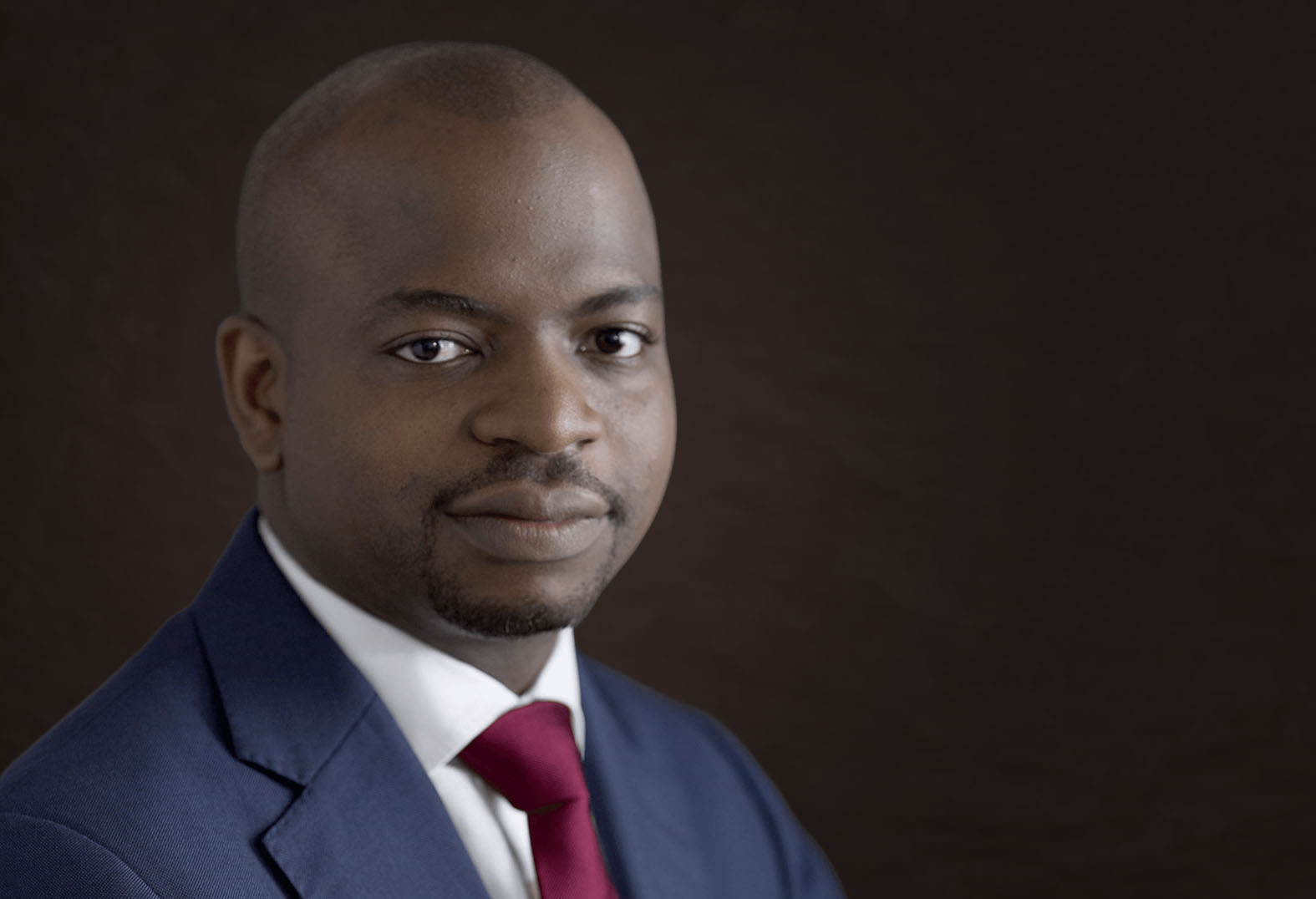
“Our asset management license allows us to offer naira and dollar-based money market funds.” – Oluseye Olusoga, Group Managing Director and CEO of Parthian Partners
After returning to Nigeria from a high-stakes trading career in London, Oluseye Olusoga encountered a fixed-income market that felt frozen in time. Trades were executed over the phone, price discovery lacked transparency, and the infrastructure for scale was simply not there.
“A large volume of trades was still done the old-school way,” he says. “The market wasn’t open to that level of visibility.”
What followed was the founding of Parthian Partners, a firm that would come to shape the
architecture of Nigeria’s modern financial markets. Parthian introduced anonymity, price efficiency, and electronic trading platforms to a market still reliant on human intermediaries.
“I pioneered what was called inter-dealer brokerage, which essentially involved using technology to create platforms where banks and pension funds could come together like a marketplace. You would put in what you want to buy, at what size, and at what price. If someone liked your price, they’d sell to you, and you wouldn’t know who it was until after the transaction is closed,” says Olusoga, now Group Managing Director and CEO of Parthian Partners.
The change created stability and trust, and in the process, helped deepen liquidity across the fixed-income ecosystem.
Today, Parthian has executed over ₦5 trillion (US$3 billion) in transactions and $1.5 billion in Eurobonds, scaled from a team of one to over a hundred, and added regulated asset management to its core.
“Without capital formation, there is no development,” Olusoga says. “There’s no GDP growth, no infrastructure, no jobs.”
As part of its asset management portfolio, the company now offers naira and dollar-denominated money market funds and serves as an intermediary between investors and U.S. securities.
This was preceded by the launch of i-invest, a mobile app that aggregates fixed income rates from multiple banks and enables retail investors to act directly.
“It’s like a supermarket list for money,” Olusoga says. “It is a one-stop investment platform for almost everything involving finance, excluding loans, and it’s regulated by Nigeria’s Securities and Exchange Commission.”
The platform later expanded to include equities, offering retail clients a product suite previously reserved for institutional players.
This approach, which is low-friction, high-integrity, and purpose-built for the Nigerian market, reflects Parthian’s broader philosophy: finance should serve national development, not just private returns.
In 2025, the firm served as financial adviser to the Ministry of Finance Incorporated in raising the second tranche of Nigeria’s Real Estate Infrastructure Fund. The goal was to make home ownership accessible through mortgage financing, not just cash purchases.
“Until recently, if you wanted a home in Nigeria, you paid cash. This transformational project changes that,” says Olusoga.
Parthian is also developing infrastructure investment vehicles targeted at real estate, renewable energy, and the creative sector.
In the case of solar energy, the firm is working with both state governments and private developers to make affordable power a commercial reality. The key challenge lies in financing.
“Solar isn’t prohibitively expensive anymore,” Olusoga explains. “The real work is in de-risking these projects. The government wants outcomes, the private sector wants returns, and our job is to close that loop.”
This logic extends to the creative economy as well. For Olusoga, the opportunity is in financing the systems that allow the sector to scale, which include studios, distribution networks, and the backbone infrastructure that creatives need to operate professionally.
“Our asset management division is being equipped to allocate targeted capital across these emerging verticals to enable long-term sectoral development,” Olusoga says.
Such moves align with the macroeconomic direction of the Nigerian state, which has publicly committed to building a US$1 trillion economy by 2030. Parthian’s growth plan reflects that national agenda.
For investors considering entry into the Nigerian market, Olusoga says the foundations for a good business environment are stronger than ever, citing regulatory improvements, oil and gas reforms, and the global expansion of Nigerian firms.
“We need to build our economy from the inside out with financial access, capital formation, and platforms that work,” he says.
Parthian Partners is backing that vision through tested systems and capital tools designed to reduce friction in the financial landscape.