Fueling Nigeria From Within: Progress And Impact
Since its establishment in August 2023, the Presidential CNG Initiative has been at the forefront of accelerating Nigeria’s transition from petrol to compressed natural gas.
“That funding will be directed towards our Electric Vehicle program, CNG conversion initiatives, and clean bus technology schemes across key cities including Lagos, Abuja, Kano, and Kaduna.” – Michael O. Oluwagbemi, Program Director and CEO of Presidential CNG Initiative (PCNGi)
Something is changing on Nigerian roads. The fuel at the pump is different. The cost of daily commutes is shifting. And under the Presidential Compressed Natural Gas Initiative (PCNGi), a quiet revolution is accelerating, one that hinges on natural gas and an ambitious plan to overhaul the nation’s transport sector.
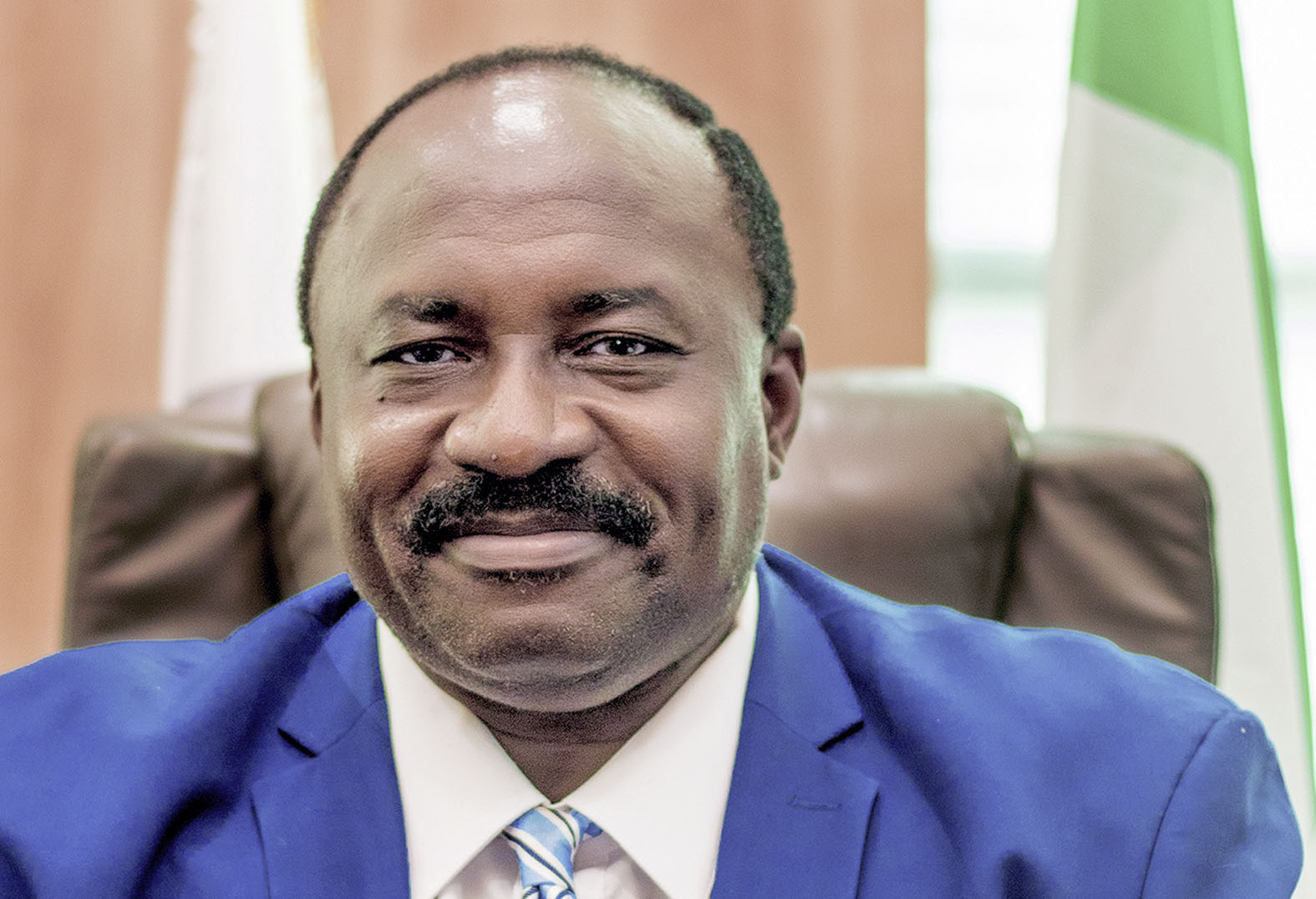
“This program,” says Michael Oluwagbemi, Program Director and CEO of PCNGi, “is about creating jobs, driving innovation, and making Nigeria a leader in clean transportation”.
Since its launch, the initiative has supported more than 200 conversion centers under the Conversion Incentives Program, overseen over 10,000 vehicle conversions, developed strategic partnerships across road, rail, and aviation sectors nationwide, and spearheaded growth in domestic manufacturing.
The establishment of over 60 refueling stations marks an equally important step forward. This progress reflects a bold and sustainable shift toward cleaner, more affordable energy solutions for Nigerians.
Oluwagbemi describes it as both a national necessity and a long-overdue shift in strategy. He explains that the president recognized the economic burden of unplanned spending on fuel subsidies and saw natural gas as a means to drive industrial growth and create employment while modernizing transport.
While the program emerged in the wake of the fuel subsidy removal, its ambitions reach far beyond short-term fixes. Oluwagbemi emphasizes that it is designed to reduce transport costs and facilitate a nationwide energy transition using Nigeria’s own natural gas reserves.
Nigeria holds over 210 trillion cubic feet (TCF) of proven natural gas reserves, with potential reserves possibly exceeding 500 TCF.
“Nigeria is a gas country that happens to have some oil,” Oluwagbemi says. “Natural gas reserves are present in 30 of Nigeria’s 36 states. We’ve been flaring gas for decades. Now we’re saying, let’s use what we have.”
Since its rollout in May 2023, PCNGi has achieved tangible results. More than 100,000 conversion kits have been distributed, and over 10,000 vehicles have been converted to compressed natural gas or bi-fuel systems directly through PCNGi’s incentive programs, which provide funding and equipment to participating conversion centers. Of these, over 60 refueling stations have been activated, with over 70 in construction.
“Our goal was not to replace the private sector,” says Oluwagbemi. “Our programs are catalytic. We give you money for one, you do two, three.”
The impact goes beyond conversion numbers. PCNGi has supported the establishment of 242 conversion centers across the country, all operated by private sector partners. Each facility employs between 10 and 25 technicians, contributing to over 10,000 direct jobs created within the first year.
Oluwagbemi recalls visiting a center in Katampe Extension, Abuja, where 25 people were working shifts, including weekends. Indirect employment has also surged, driven by demand from vendors, transporters, branding firms, and catering services. These new jobs form part of a growing CNG ecosystem.
Fueling infrastructure has expanded dramatically. In 2023, only 11 operational CNG stations existed nationwide. Today, that number exceeds 60, with an additional 175 in various stages of development.
Major energy players are contributing: NNPC is developing 100 stations, 12 of which are already operational, with another eight near commissioning and 40 more approved. Companies such as NIPCO, FEMA, Matrix, AYM Shafa, and BOVA are also investing.
To improve accessibility, mobile refueling units are being deployed. The first mobile unit was introduced in Ilorin, Kwara State, and the state government is collaborating with PCNGi to roll out CNG-powered tricycles. Under PCNGi’s refueling on-lending program, private operators can access financing and equipment, accelerating development without straining public finances.
Public sector participation is also growing. PCNGi has partnered with the Painted Taxi Association in Abuja to convert hundreds of taxis, resulting in reduced fares and tangible economic relief. Similar collaborations are underway with airport operators in Lagos and Abuja.
Meanwhile, the Nigerian Railway Corporation successfully tested a hybrid CNG and LNG-powered locomotive on the Abuja- Kaduna line for 30 days. PCNGi is now working to ensure a reliable gas supply so these trains can operate more consistently.
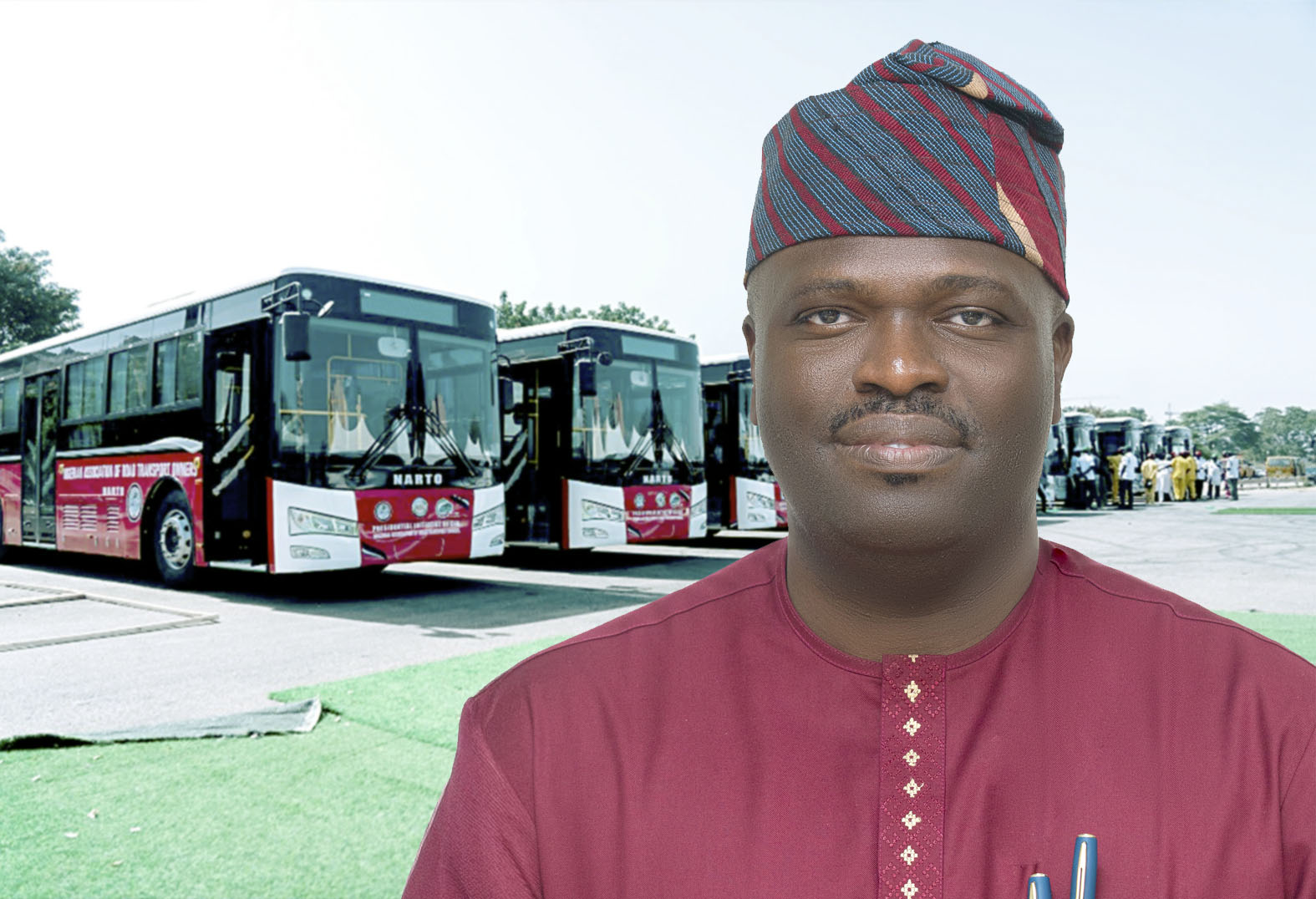
To enhance last-mile connectivity, PCNGi is deploying both CNG and electric buses at train stations. The Initiative provides branding, training, and support for diesel-to-gas conversions in collaboration with local engineers.
“We are partnering with them on branding, on training, and on diesel-to-gas conversions,” says Oluwagbemi. “Their engineers are some of the best in Nigeria.”
Safety remains a cornerstone of the program. “CNG is chemically safer than petrol or diesel,” Oluwagbemi says. “Natural gas is lighter than air, less flammable, and stored in bulletproof, non-extruded cylinders.”
To maintain public confidence, PCNGi is implementing a national monitoring system. The Nigerian Gas Vehicle Monitoring System (NGVMS) will oversee compliance and safety across the CNG value chain.
PCNGi is working in coordination with the Standards Organization of Nigeria, the Nigerian Automotive Design and Development Council, the Midstream and Downstream Petroleum Regulatory Authority, and the Federal Road Safety Corps.
This joint oversight ensures that only certified kits, conversion centers, and technicians are approved and that only compliant vehicles are allowed to operate or refuel.
“We already have a pilot running,” Oluwagbemi says. “Just by capturing your license plate, we can check whether your vehicle is in the system.”
Environmental benefits are clear. “Tailpipe emissions from CNG vehicles are about 70% less than petrol and 80% less than diesel,” Oluwagbemi says. “We are replacing dirty fuels with a cleaner one. This reduces our carbon footprint and contributes to our commitments under the Paris Agreement.”
Nigeria’s Energy Transition Plan, approved in 2022, targets 75% of the nation’s vehicles running on gas by 2070. PCNGi is a cornerstone of this vision. “If we hit our one million conversion target by 2027, that’s a solid down payment,” Oluwagbemi says.
Local manufacturing is also central to PCNGi’s strategy. Incentives such as VAT and import duty waivers have encouraged companies to build and assemble CNG vehicles in Nigeria. Domestic manufacturers like Jet, Kojo Motors, Mikano, and Nord are actively engaged.
“We’re pro-Nigeria when it comes to procurement,” Oluwagbemi says. “Our early acquisitions were all from Nigerian companies.”
The federal government has mandated that all Ministries, Departments, and Agencies must now purchase only CNG or electric vehicles for official use. This policy provides a guaranteed market and further incentivizes investment and manufacturing.
Investor incentives are robust. Oluwagbemi notes that the President signed an executive order within the first two months of PCNGi’s establishment, eliminating VAT and import duties for CNG and EV products.
Investors are also eligible for pioneer status, tax holidays, and preferential access to a growing domestic market.
Looking ahead, PCNGi aims to position Nigeria as a regional leader in gas mobility. The Initiative is supporting the development of mini-LNG projects designed to transport Nigerian gas across West Africa.
“We are building the capacity to move gas by road, not just through pipelines,” Oluwagbemi says. “From Dakar to Accra to Freetown, Nigerian gas will find its way.”
The scale, complexity, and pace of PCNGi’s achievements in just one year have set a high bar. Yet Oluwagbemi believes the best is yet to come.
“We’re creating something sustainable,” he says. “We’re enabling investment, empowering people, and transforming how Nigeria moves.”
For investors and partners, his message is direct. “You can’t possibly not be part of the most exciting economy in the global south in recent memory,” he says. “Nigeria has over 200 million people, a growing middle class, and the most far-reaching reforms in two decades. If you combine good policy with good people, you get good products.”
The Presidential Compressed Natural Gas Initiative is far more than a fuel program. It is a blueprint for energy independence, economic expansion, and environmental responsibility. Nigeria is driving toward a cleaner, more resilient future, and it is doing so on its own terms.