‘I’ve Begun To Diversify My Investments For The Future’: The Artistry And Business Mindset That Defines This Los Angeles-Based South African Actor On The Global Stage
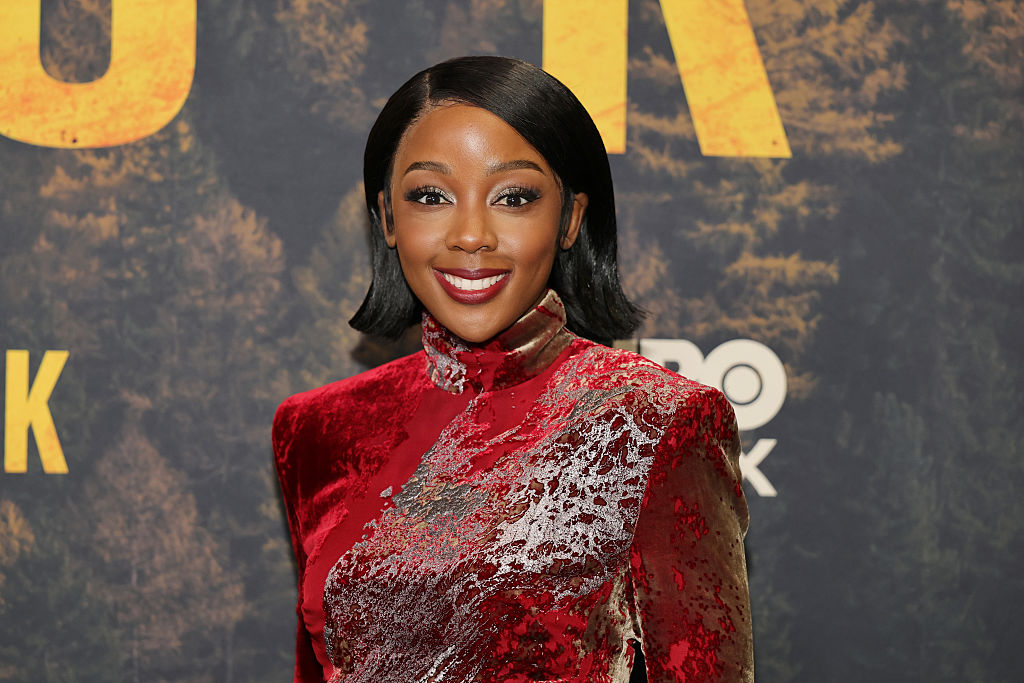
Thuso Mbedu on all the work she put into her latest character and how her outlook on success also extends to financial empowerment.
South African actor Thuso Mbedu, an honoree of FORBES AFRICA’s 30 Under 30 list in 2018, is today an International Emmy-nominated star, also known for her performance in Is’Thunzi and The Underground Railroad.
She now takes on the role of Aleah Clinton in TASK, the latest series from Brad Ingelsby, creator of Mare of Easttown, which won four Primetime Emmy Awards. For Mbedu, the project’s deeply human narrative and Philadelphia’s strong local identity, made it a uniquely fulfilling experience.
“I was in Philadelphia for about six months while filming,” she recalls to FORBES AFRICA. “It was a significant chunk of time, and I really enjoyed it. A major highlight was definitely the people—they were so incredibly kind, welcoming, and warm. I stayed a little outside the city, and I loved the greenery and beautiful landscapes. There’s a quiet calmness to that part of Pennsylvania that really grounded me during production.”
To bring her character to life, Mbedu immersed herself in the world of women in law enforcement. “To fully embody Aleah, I did quite a bit of in-depth research,” she explains. “I had conversations with detectives working in Philadelphia and surrounding areas—they were generous with their time and answered any and all questions we had. We even went on a ride-along to get a feel of the action and tactical training. Those experiences helped me understand the real emotional and physical demands of women in law enforcement.”
While her character didn’t require Philadelphia’s distinct ‘Delco’ (Delaware County) accent, the Pietermaritzburg-born Mbedu still studied it out of respect for the region. “I spent time listening to local speakers just to understand the rhythm and musicality of the dialect,” she says. “There’s something about it that feels energetically welcoming—it tells you so much about the people.”
Her outlook on success also extends to financial empowerment. “Previously, my understanding was limited to saving and avoiding debt,” Mbedu reflects. “But with age and exposure, I’ve recognized the crucial role of investing. Wealth accumulation isn’t achievable through saving alone. My advice is to save diligently, steer clear of unnecessary debt and invest consistently to benefit from compound interest.”
Mbedu credits her business mindset to the same principles that guide her artistry. “Get a team that believes in you and is aligned with the direction of your career,” she advises. “A successful negotiation begins with knowing your worth and market value so you can confidently articulate the unique value you bring. Negotiate holistically, looking beyond the initial fee, to secure important elements like favorable terms for travel, hours, and creative control. And always–have the confidence to walk away. The person with the most power in a negotiation isn’t the one with the most money—it’s the one who’s willing to walk away.”
As for financial literacy, Mbedu explains that in the arts and entertainment industry, there’s a significant need for improved financial literacy.
“Previously my understanding was limited to saving and avoiding debt, which I managed quite diligently. However, with age and increased exposure, I’ve come to recognize the crucial role of investing. Wealth accumulation isn’t achievable through saving alone, so I’ve begun to diversity my investments for the future. My current ‘smart money’ advice is to save diligently, steer clear of unnecessary debt and actively engage in consistent investing to benefit from compound interest.”
Now based in Los Angeles, California, the 34-year-old actor and brand ambassador remains a passionate advocate for South Africa’s creative industries. “While South Africa is an incredibly vibrant hub for film production, I do feel that creators could be supported more robustly,” she says. “We need equitable access to funding and long-term training and mentorship programs. Crucially, we need to focus on local content ownership so that South African stories and creators truly benefit from their own narratives on the global stage.”


