Africa’s Fourth-Largest Economy On Its First Pavilion At Davos; Seeks Deeper Global Economic Ties
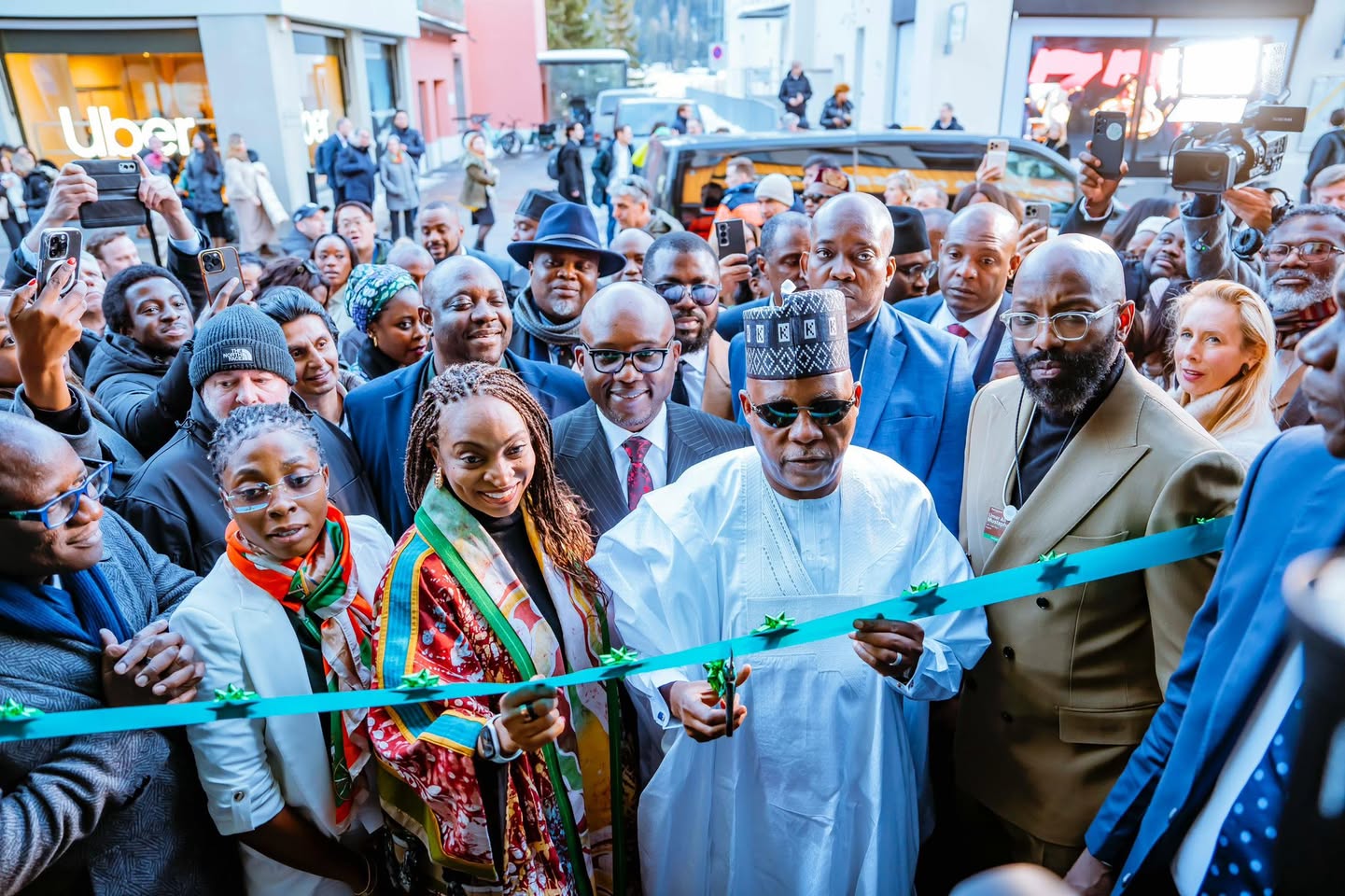
Authorities of the West African nation said its future growth depends on structured international engagement rather than isolation, as Africa’s fourth-largest economy seeks to attract investment and expand non-oil sectors.
Nigeria’s Vice President Kashim Shettima said on Monday that the opening of the country’s first-ever pavilion at the World Economic Forum (WEF) in Davos signals renewed seriousness and resolve to engage more deliberately with the global economy.
“Nigeria House is a response to the lapses of the past. It reflects our intention. It reflects our seriousness. Above all, it advertises both our readiness and our resolve to take a front-line seat in the discourse of the global economy, not as observers, but as participants with a clear sense of purpose and place,” Shettima was quoted to have said at the formal opening.
He added that non-oil revenues now make up nearly three-quarters of government collections, inflation has eased from above 30% in late 2024, foreign exchange stability has improved and foreign reserves have risen above $45 billion.
Nigeria’s Minister of Industry, Trade and Investment, Dr Jumoke Oduwole, said the project reflects a public-private partnership approach and a shift in how Nigeria engages with international investors.
“Several countries, including India, South Africa and Ukraine, have used national pavilions at Davos to facilitate investment discussions and business matchmaking. I went to their pavilions when I attended the forum last year. Nigeria’s pavilion could help attract inward investment and promote exports,” Joe Afolayan, an international development consultant from Nigeria, tells FORBES AFRICA.
Dr. Ngozi Okonjo-Iweala, Director-General of the World Trade Organization (WTO) and a former Nigerian finance minister, said in a post on X (formerly Twitter) that the Nigeria House hosted a packed session focused on opportunities for Nigeria and Africa in a volatile global trade environment.